
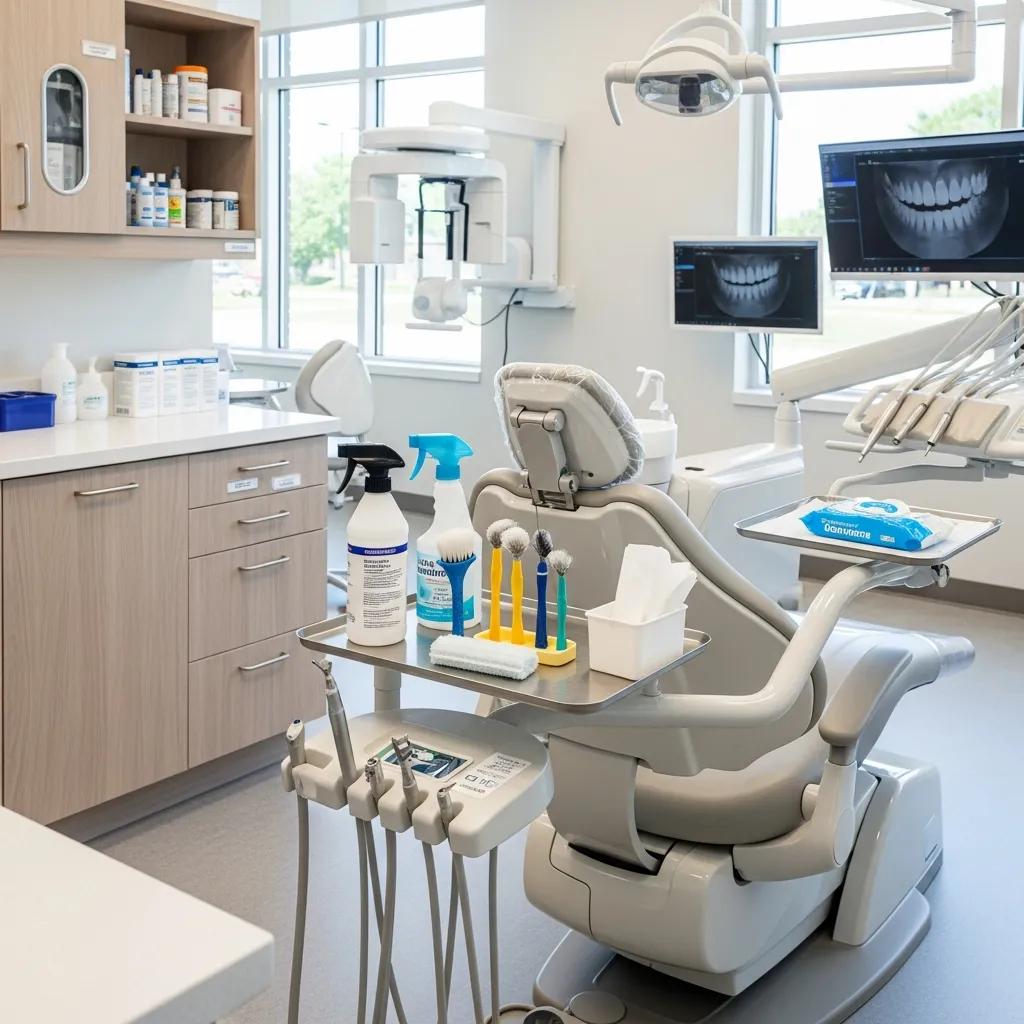
Comprehensive Dental Office Cleaning and Disinfection Protocols for Maryland Practices
Maintaining a clean and disinfected environment in dental offices is crucial for patient safety and infection control. This article delves into the essential cleaning and disinfection protocols that Maryland dental practices should implement to ensure compliance with health regulations and provide a safe space for patients. Readers will learn about best practices, regulatory requirements, effective cleaning techniques, and how companies like CleanMD Services can assist in maintaining these standards. The importance of these protocols cannot be overstated, as they directly impact patient health and the overall reputation of dental practices. This guide will cover best practices, regulatory requirements, effective cleaning techniques, and the role of advanced technologies in ensuring thorough disinfection.
Best Practices
Implementing best practices in dental office cleaning is essential for minimizing the risk of infection. Key practices include:
- High-Touch Surface Disinfection: Regularly disinfecting surfaces that are frequently touched, such as doorknobs, light switches, and dental chairs, is vital to prevent cross-contamination.
- Customized Cleaning Plans: Each dental practice should develop a tailored cleaning plan that addresses its specific needs, including the types of procedures performed and the layout of the office.
- Routine Maintenance: Establishing a routine cleaning schedule ensures that all areas of the dental office are consistently maintained, reducing the likelihood of infection.
CleanMD Services specializes in providing customized cleaning solutions that align with these best practices, ensuring that dental offices remain compliant and safe for patients.
Regulatory Requirements
Compliance with healthcare cleaning standards is a critical aspect of dental office operations. Maryland dental practices must adhere to specific regulations to ensure patient safety. Key requirements include:
- Compliance with Healthcare Standards: Dental offices must follow guidelines set forth by organizations such as the CDC and OSHA, which outline the necessary cleaning and disinfection protocols.
- Training of Staff: All staff members should receive training on proper cleaning techniques and the importance of infection control to maintain a safe environment.
- Documentation of Cleaning Processes: Keeping detailed records of cleaning activities helps demonstrate compliance with regulatory requirements and can be essential during inspections.
CleanMD Services ensures that its cleaning protocols meet these regulatory standards, providing peace of mind to dental practices.
Effective Cleaning Techniques
To achieve effective cleaning and disinfection, dental practices should employ a variety of techniques. These include:
- High-Touch Surface Disinfection: Regularly disinfecting surfaces that are frequently touched, such as doorknobs, light switches, and dental chairs, is vital to prevent cross-contamination.
- Use of Professional-Grade Disinfectants: Utilizing EPA-registered disinfectants that are effective against a broad spectrum of pathogens is crucial for ensuring thorough disinfection.
- Detailed Cleaning Protocols: Establishing clear protocols for cleaning different areas of the office, including operatories, waiting rooms, and restrooms, helps maintain consistency and effectiveness.
- Advanced Cleaning Technologies: Incorporating technologies such as electrostatic sprayers can enhance the efficiency of the cleaning process, ensuring that disinfectants reach all surfaces.
By implementing these techniques, dental practices can significantly reduce the risk of infection and enhance patient safety.
Further insights into comprehensive disinfection protocols and regulatory frameworks underscore the critical importance of these practices in maintaining clinical safety.
Dental Disinfection Best Practices & Regulatory Compliance
Disinfection practices in dental settings are fundamental to clinical safety, playing a pivotal role in preventing cross-infections and protecting the health of patients and healthcare professionals. This article examines the key components of effective disinfection, based on evidence-based protocols developed by international organizations such as the WHO and the U.S. CDC, alongside European and Italian regulatory standards. Dental instruments require stringent sterilization by autoclave or chemical methods, while high-level disinfection is essential for non-sterilizable items. Clinical surfaces require routine biocidal treatment tailored to microbial hazards and material compatibility. The European Biocidal Products Regulation and the Medical Devices Regulation provide critical oversight, ensuring product safety and effectiveness while preventing resistance. Antiseptics also play a vital role in oral care, with applications ranging from infection prevention to the trea
Best practices for disinfection in dental settings: insights from Italian and European regulations, E Veschetti, 2025
What Are the Essential Dental Office Sterilization Services in Maryland?
Essential sterilization services in Maryland dental offices include the proper cleaning and sterilization of dental instruments and equipment. This process typically involves:
- Ultrasonic Cleaning: This method uses sound waves to remove debris from instruments, ensuring they are thoroughly cleaned before sterilization.
- Autoclaving: Instruments are subjected to high-pressure steam to eliminate all microorganisms, making them safe for patient use.
- Routine Maintenance: Regular checks and maintenance of sterilization equipment are necessary to ensure they function correctly and meet health standards.
These services are vital for maintaining a safe environment for both patients and dental professionals.
The meticulous process of cleaning and sterilizing dental instruments is paramount to preventing cross-contamination and ensuring patient safety, as highlighted by expert guidelines.
Dental Instrument Cleaning & Sterilization Protocols
All health-care professionals are responsible for maintenance and ensuring sterility of instruments used in medical care. The dental profession is no exception to this rule, and all staff and dentists are responsible for preventing infection control breaches in the operatory. Previous case reports have demonstrated that disease is transmissible from dental equipment to patients, making the cleaning and sterilization of dental instruments a top priority. In this chapter, we review the basic definitions used when describing cleaning and sterilization processes, as well as CDC classifications for instruments. We discuss the six major steps in instrument processing required to ensure dental equipment is processed efficiently and safely. Finally, we examine different sterility indicators and their use in quality assurance of proper sterilization.
Cleaning and sterilization of dental instruments, 2019
How Do Maryland Regulations Influence Dental Clinic Sanitation Standards?
Maryland regulations play a significant role in shaping the sanitation standards of dental clinics. Key influences include:
- Regulatory Compliance Requirements: Dental practices must adhere to state and federal regulations that dictate sanitation practices, ensuring patient safety.
- Impact on Cleaning Practices: Regulations often require specific cleaning protocols, which influence how dental offices structure their cleaning schedules and procedures.
- Documentation and Training: Compliance necessitates thorough documentation of cleaning processes and ongoing training for staff to ensure adherence to these standards.
Understanding these regulations helps dental practices maintain high sanitation standards and avoid potential penalties.
How Does CleanMD Services Implement Infection Control in Dental Offices?
CleanMD Services employs a comprehensive approach to infection control in dental offices, which includes:
- Cleaning Methods: Utilizing industry-leading cleaning techniques and products to ensure thorough disinfection of all surfaces.
- Compliance Standards: Adhering to all relevant healthcare regulations to maintain a safe environment for patients and staff.
- Effectiveness Measures: Regular assessments of cleaning protocols to ensure they meet the highest standards of infection control.
By partnering with CleanMD Services, dental practices can enhance their infection control measures and ensure compliance with health regulations.
What Advanced Technologies Support Effective Operatory Disinfection?
Advanced technologies play a crucial role in enhancing the effectiveness of operatory disinfection. Notable technologies include:
- Electrostatic Spraying: This method allows for even distribution of disinfectants on surfaces, ensuring comprehensive coverage and effectiveness.
- Professional-Grade Disinfectants: Utilizing high-quality disinfectants that are proven to be effective against a wide range of pathogens.
- Customized Cleaning Plans: Tailoring cleaning protocols to the specific needs of each operatory, ensuring that all areas are adequately addressed.
These technologies not only improve the efficiency of cleaning processes but also enhance the overall safety of dental practices.
How Are EPA-Registered Disinfectants Utilized in Maryland Dental Practices?
EPA-registered disinfectants are essential in Maryland dental practices for effective infection control. Their utilization involves:
- Types of Disinfectants Used: Dental offices should select disinfectants that are effective against a broad spectrum of pathogens, including viruses and bacteria.
- Compliance with Health Regulations: Using EPA-registered products ensures that dental practices meet state and federal health regulations.
- Training of Staff: Staff must be trained on the proper use of these disinfectants to maximize their effectiveness and ensure safety.
By adhering to these guidelines, dental practices can maintain a high standard of cleanliness and safety.
What Are the Compliance Requirements for Infection Control in Maryland Dental Offices?
Compliance requirements for infection control in Maryland dental offices include:
- Documentation of Cleaning Processes: Keeping detailed records of cleaning and disinfection activities is essential for demonstrating compliance during inspections.
- Training and Certification of Staff: Ensuring that all staff members are trained and certified in infection control practices is crucial for maintaining a safe environment.
- Regulatory Compliance: Adhering to state and federal regulations regarding infection control is mandatory for all dental practices.
These requirements help ensure that dental offices operate safely and effectively, protecting both patients and staff.
How Often Should Dental Operatories Be Cleaned and Disinfected?
Dental operatories should be cleaned and disinfected regularly to maintain a safe environment. Recommended frequencies include:
- After Each Patient: Surfaces and instruments should be cleaned and disinfected immediately after each patient to prevent cross-contamination.
- Daily Cleaning: A thorough cleaning of all areas should be conducted at the end of each day to ensure a clean start for the next day.
- Weekly Deep Cleaning: A more comprehensive cleaning should be performed weekly to address areas that may not be covered in daily cleaning.
Following these guidelines helps ensure that dental operatories remain safe and hygienic for patient care.
What Are the Best Practices for Dental Instrument Sterilization and Biohazard Waste Management?
Best practices for dental instrument sterilization and biohazard waste management include:
- Proper Sterilization Techniques: Utilizing methods such as autoclaving to ensure that all instruments are free from pathogens before use.
- Biohazard Waste Disposal: Following regulations for the disposal of biohazard waste to prevent contamination and ensure safety.
- Regular Training: Providing ongoing training for staff on sterilization techniques and waste management practices to maintain compliance and safety.
These practices are essential for ensuring the safety of both patients and dental professionals.
Maintaining and sterilizing dental handpieces between each patient is a critical aspect of infection control, safeguarding against the transmission of infectious agents.
Dental Handpiece Sterilization & Maintenance Guide
The dental handpiece is an essential component of the armamentarium of a dental office for procedures such as cavity preparation, tooth preparation for aesthetic and prosthodontic procedures, polishing and prophylaxis, implant preparation, and many other procedures. Performing these procedures would not be possible without dental handpieces. During these procedures handpieces are contaminated with blood, saliva, and other potentially infectious materials. Consequently, to prevent transmission of infectious agents from one patient to another, handpieces must be sterilized between each patient’s use. Handpieces are also complex and expensive devices, and proper cleaning and sterilization practices must be adhered to ensure sterilization and minimize costly repairs and/or replacement. Dental practitioners should be knowledgeable about the proper cleaning, sterilization, and maintenance of the dental handpiece.
Maintenance and sterilization of dental handpieces, G Canares, 2024
How Can Maryland Dental Practices Schedule and Optimize Professional Cleaning Services?
Maryland dental practices can optimize their cleaning services by:
- Contacting CleanMD Services: Engaging with professional cleaning services that specialize in healthcare environments ensures compliance and thorough cleaning.
- Online Quote Requests: Utilizing online platforms to request quotes can streamline the scheduling process and provide flexibility.
- Flexible Scheduling Options: Offering various scheduling options allows dental practices to choose times that minimize disruption to patient care.
By implementing these strategies, dental practices can enhance their cleaning protocols and maintain a safe environment for patients and staff.