

What Are Your Workers’ Compensation Rights in Michigan?

Understanding your workers’ compensation rights in Michigan is crucial for anyone who has suffered a workplace injury. Workers’ compensation is designed to provide financial support and medical care to employees injured on the job, ensuring they can recover without the added stress of financial burdens. This article will delve into the various benefits available under Michigan’s workers’ compensation laws, the process for filing a claim, and the importance of legal representation. Additionally, we will explore common disputes that arise in these cases and the critical deadlines that must be met. By the end of this guide, you will have a comprehensive understanding of your rights and the steps you need to take to protect them.
What Benefits Are Available Under Michigan Workers Compensation?
Michigan’s workers’ compensation system offers several benefits to injured workers, ensuring they receive the necessary support during their recovery. These benefits can be categorized into medical benefits, wage loss benefits, and rehabilitation services. Understanding these benefits is essential for navigating the claims process effectively.
Which Medical and Rehabilitation Benefits Can Injured Workers Expect?
Injured workers in Michigan can expect a range of medical and rehabilitation benefits designed to cover necessary treatment and support their recovery. These benefits typically include:
- Medical Expenses: Coverage for all reasonable and necessary medical treatment related to the injury, including hospital stays, surgeries, and medications.
- Rehabilitation Services: Access to physical therapy and vocational rehabilitation to help workers regain their skills and return to work.
- Home Modifications: In some cases, modifications to the home may be covered if they are necessary for the injured worker’s recovery.
These benefits are crucial for ensuring that injured workers can focus on their recovery without the burden of medical costs.
How Are Wage Loss and Disability Benefits Calculated?
Wage loss and disability benefits are calculated based on the worker’s average weekly wage (AWW) before the injury. In Michigan, the formula for calculating these benefits typically involves:
- Temporary Total Disability (TTD): Workers may receive 70% of their after-tax average weekly wage if they are unable to work due to their injury, subject to a maximum rate set annually.
- Permanent Partial Disability (PPD): If a worker sustains a permanent injury, they may be entitled to benefits based on the severity of the disability and its impact on their ability to work.
Understanding how these benefits are calculated is essential for injured workers to ensure they receive the compensation they deserve.
Further research delves into the specifics of how permanent partial disability benefits are structured across various jurisdictions, including Michigan.
Michigan Permanent Partial Disability Benefits in Workers’ Comp
Part II presents a study of 10 jurisdictions: California, Florida, Michigan, Nevada, New Jersey, New York, Ohio, Pennsylvania, Wisconsin, and the District of Columbia. It examines the states’ procedures for permanent partial disability benefits and the criteria used by the states for scheduled benefits and for nonscheduled benefits.
Permanent Disability Benefits in Workers’ Compensation., 1987
How Do You File a Workers Compensation Claim in Michigan? Step-by-Step Process
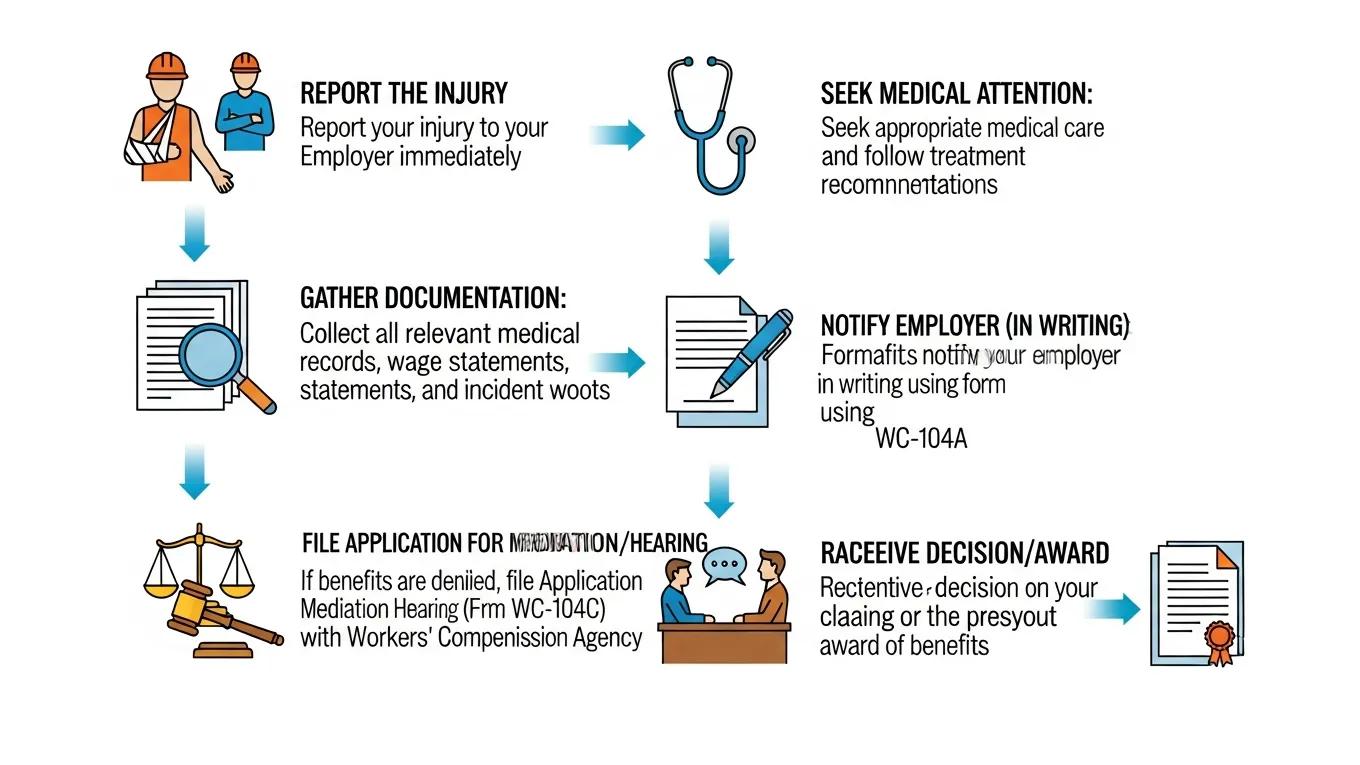
Filing a workers’ compensation claim in Michigan involves several critical steps that must be followed to ensure a successful outcome. Understanding this process can help injured workers navigate their claims more effectively.
What Are the Eligibility Criteria and Required Documentation?
To file a workers’ compensation claim in Michigan, workers must meet specific eligibility criteria, including:
- Employment Status: The worker must be an employee of a company that carries workers’ compensation insurance.
- Injury Documentation: A report of the injury must be filed with the employer within 90 days of the incident, and medical documentation must be provided to support the claim.
Required documentation typically includes:
- Claim Form: A completed workers’ compensation claim form.
- Medical Records: Documentation of the injury and treatment received.
- Witness Statements: If applicable, statements from coworkers who witnessed the incident.
Gathering this documentation is essential for a successful claim.
What Are the Critical Deadlines and Timelines for Filing a Claim?
In Michigan, there are specific deadlines that injured workers must adhere to when filing a workers’ compensation claim. These include:
- Reporting the Injury: Workers must report their injury to their employer within 90 days of the incident.
- Filing the Claim: The claim must be filed within two years of the date of the injury.
Missing these deadlines can result in the denial of benefits, making it crucial for workers to act promptly.
Why Is Legal Representation Essential in Michigan Workers Compensation Cases?

Navigating the workers’ compensation system can be complex, and having legal representation can significantly impact the outcome of a claim. An experienced attorney can provide valuable guidance and support throughout the process.
How Can a Michigan Workers Compensation Attorney Maximize Your Settlement?
A Michigan workers’ compensation attorney can employ various strategies to maximize a worker’s settlement, including:
- Negotiation Skills: Attorneys are skilled negotiators who can advocate for fair compensation based on the specifics of the case.
- Understanding of the Law: They possess in-depth knowledge of Michigan’s workers’ compensation laws, ensuring that all legal avenues are explored.
- Preparation for Trial: If necessary, attorneys can prepare cases for trial, increasing the likelihood of a favorable outcome.
Having legal representation can make a significant difference in the amount of compensation received.
What Role Does Legal Counsel Play in Dispute Resolution and Appeals?
Legal counsel plays a critical role in resolving disputes that may arise during the workers’ compensation process. This includes:
- Dispute Resolution: Attorneys can help negotiate settlements and resolve disputes with insurance companies.
- Appeal Processes: If a claim is denied, legal representation is essential for navigating the appeals process and ensuring that the worker’s rights are protected.
The expertise of an attorney can be invaluable in overcoming challenges and securing the benefits owed.
What Common Disputes Arise in Michigan Workers Compensation and How Are They Resolved?
Disputes in workers’ compensation cases can arise for various reasons, including claim denials and disagreements over the extent of injuries. Understanding these common disputes can help workers prepare for potential challenges.
If you’re facing challenges with your workers’ compensation claim, it’s essential to understand your options. An experienced team of attorneys can provide the guidance and support you need to navigate the complexities of the legal process.
How to Address Claim Denials and Insurance Company Challenges?
Claim denials can occur for several reasons, such as insufficient evidence or failure to meet eligibility criteria. To address these challenges, injured workers should:
- Review the Denial Letter: Understand the reasons for the denial and gather necessary documentation.
- Consult an Attorney: Seek legal advice to explore options for appealing the denial.
- File an Appeal: If necessary, file an appeal with the Michigan Workers’ Compensation Agency.
Taking these steps can help workers effectively challenge denials and secure their benefits.
What Are the Procedures for Appeals and Mediation in Workers Compensation Cases?
If a dispute arises, workers have the option to pursue mediation or appeal the decision. The procedures typically involve:
- Mediation: A neutral third party facilitates discussions between the injured worker and the insurance company to reach a settlement.
- Appeal Process: If mediation fails, workers can appeal the decision to the Workers’ Compensation Appellate Commission.
Understanding these procedures is essential for workers seeking to resolve disputes effectively.
What Are the Important Legal Deadlines and Statutes of Limitations in Michigan Workers Compensation?
Legal deadlines and statutes of limitations are critical components of the workers’ compensation process. Failing to adhere to these timelines can jeopardize a worker’s ability to receive benefits.
How Long Do You Have to File a Claim After a Workplace Injury?
In Michigan, workers have a limited timeframe to file a claim after a workplace injury. The general rule is:
- 90 Days: Workers must report their injury to their employer within 90 days.
- Two Years: The claim must be filed within two years of the injury date.
Understanding these timeframes is crucial for ensuring that claims are filed promptly.
What Are the Consequences of Missing Critical Deadlines?
Missing critical deadlines can have severe consequences, including:
- Loss of Benefits: Workers may lose their right to benefits if they fail to file within the required timeframes.
- Legal Complications: Delays can complicate the claims process and lead to disputes with insurance companies.
Being aware of these consequences emphasizes the importance of timely action.
What Practical Steps Should You Take Immediately After a Workplace Injury in Michigan?
Taking immediate action after a workplace injury is vital for protecting your rights and ensuring you receive the necessary benefits. Here are some practical steps to follow.
Why Is Prompt Medical Attention and Documentation Crucial?
Seeking prompt medical attention is essential for several reasons:
- Health and Safety: Immediate treatment ensures that injuries are properly assessed and treated.
- Documentation: Medical records serve as critical evidence in workers’ compensation claims, supporting the connection between the injury and the workplace.
Documenting the injury and treatment received is crucial for a successful claim.
If you’re unsure about your next steps, consulting with a personal injury law firm can provide clarity and guidance.
How to Preserve Evidence and Protect Your Workers Compensation Rights?
To protect your rights after a workplace injury, consider the following steps:
- Gather Evidence: Collect any evidence related to the injury, such as photographs, witness statements, and incident reports.
- Keep Records: Maintain detailed records of all medical treatments and communications with your employer and insurance company.
- Consult an Attorney: Seek legal advice to ensure that your rights are protected throughout the claims process.
Taking these steps can help safeguard your workers’ compensation rights and improve your chances of a successful claim.
Furthermore, understanding the benefits of a personal injury lawyer can help you make informed decisions about your case and ensure you receive the compensation you deserve.