
The Law Offices of Ali A. Ajrouch, PLLC

(248) 598-7878

Fax (248) 599- 1245

Michigan Personal Injury Lawyer

Michigan Car Accident & No-Fault Lawyer

When an injury disrupts your life, Ajrouch Law is here to protect your rights. Our Michigan personal injury lawyers fight for the compensation you deserve while guiding you through every step of your case.

Business Top Lawyers

Personal Injury • 2019

Super Lawyers

Rising Star 2018–2023

Super Lawyer 2024–2025

Licensed to Practice

Michigan & U.S. District Court

Frequent ICLE Speaker

No-Fault Law Seminars • 2018–Present

Don’t Let the Insurance Company Decide What You’re Owed.

In the days after a serious car accident, you are trying to heal, arrange transportation, keep up with work, and make sense of a stack of paperwork all while an adjuster is pressing you for a statement and floating a quick settlement. The system feels designed to wear you down, and in many ways it is. Michigan’s No-Fault law is widely regarded as one of the most complicated auto-insurance schemes in the country, and the insurers who operate within it know exactly how to use that complexity against unrepresented drivers.

Ali Ajrouch has spent his entire legal career mastering Michigan No-Fault law. He litigates first-party, third-party, and provider claims, and since 2018 he has served as a speaker at the ICLE No-Fault Seminar, the program where other attorneys go to stay current on this exact subject. When you hire the firm, you are putting that depth of knowledge directly to work on your claim, and you are dealing with the attorney himself rather than a rotating cast of case managers.
Photographer capturing evidence at nighttime accident scene

Types of Auto Accidents We Handle

Not every collision is the same. A rear-end fender-bender and a commercial-truck rollover involve completely different insurers, regulations, and injury patterns. The firm handles the full spectrum of Michigan motor-vehicle accidents.

Car Accidents

Rear-end collisions, intersection and left-turn crashes, distracted-driving and texting accidents, drunk-driving crashes, and multi-vehicle pileups. These are the most common cases we handle, and even a “minor” crash can cause injuries that develop over days or weeks.
Truck Accidents

Crashes involving semis and commercial vehicles are governed by federal trucking regulations and defended by corporate insurers who dispatch investigators to the scene within hours. The injuries are often catastrophic, and critical evidence must be preserved quickly.

Motorcycle Accidents

Motorcyclists face serious injuries and complex insurance issues after a crash. Michigan’s No-Fault rules also treat motorcycles differently from cars, making experienced representation especially important for injured riders.

Pedestrian and Bicycle Accidents

Vulnerable road users struck by vehicles frequently suffer life-altering injuries. Michigan No-Fault provides important benefits to injured pedestrians and cyclists, even when no vehicle they own was involved.

How No-Fault Insurance Actually Works

Michigan is a No-Fault state, which means that after most auto accidents, your own insurance company pays your medical bills and a portion of your lost wages regardless of who caused the crash. These benefits are called Personal Injury Protection, or PIP. The idea was to get accident victims paid quickly without waiting for a fault determination. In practice, insurers still find ways to delay, dispute, and deny these benefits, and the 2019 reforms to Michigan’s No-Fault law added new choices and new traps around medical coverage levels.

Crucially, No-Fault does not mean you can only recover from your own insurer. When another driver caused the crash and your injuries are serious enough to meet Michigan’s legal threshold, you also have a separate claim against that at-fault driver for the damages No-Fault does not cover most importantly, pain and suffering. Many accident victims pursue only their PIP benefits and never realize they left a substantial second claim on the table. We make sure both are pursued.

After the Crash: Protect Your Health and Your Claim

Get medical attention immediately

Document everything you can

Notify your own insurer, but be careful

File your PIP application correctly and on time

First-Party

First-Party (No-Fault / PIP)

Filed with your own insurer, paid regardless of who caused the crash.

  • Medical and rehabilitation expenses
  • Wage loss for up to three years
  • Attendant and nursing care
  • Household replacement services
  • Mileage to medical appointments
Third-Party

Third-Party (At-Fault Driver)

Filed against the negligent driver when injuries meet Michigan’s threshold.

  • Pain and suffering
  • Excess wage loss beyond No-Fault limits
  • Loss of earning capacity
  • Permanent impairment
  • Disfigurement and scarring

Why Car Accident Cases Are Different in Michigan

Michigan car accident claims involve more than determining who caused the collision. The state’s No-Fault insurance system can affect how medical expenses, lost wages, and other benefits are handled, while a separate claim against an at-fault driver may apply in certain circumstances.

Understanding how these claims interact can be important after a serious crash. Insurance coverage, available benefits, filing requirements, and Michigan’s injury threshold can all affect a claim. Ajrouch Law helps injured people understand their legal options, navigate the claims process, and pursue compensation available under Michigan law.

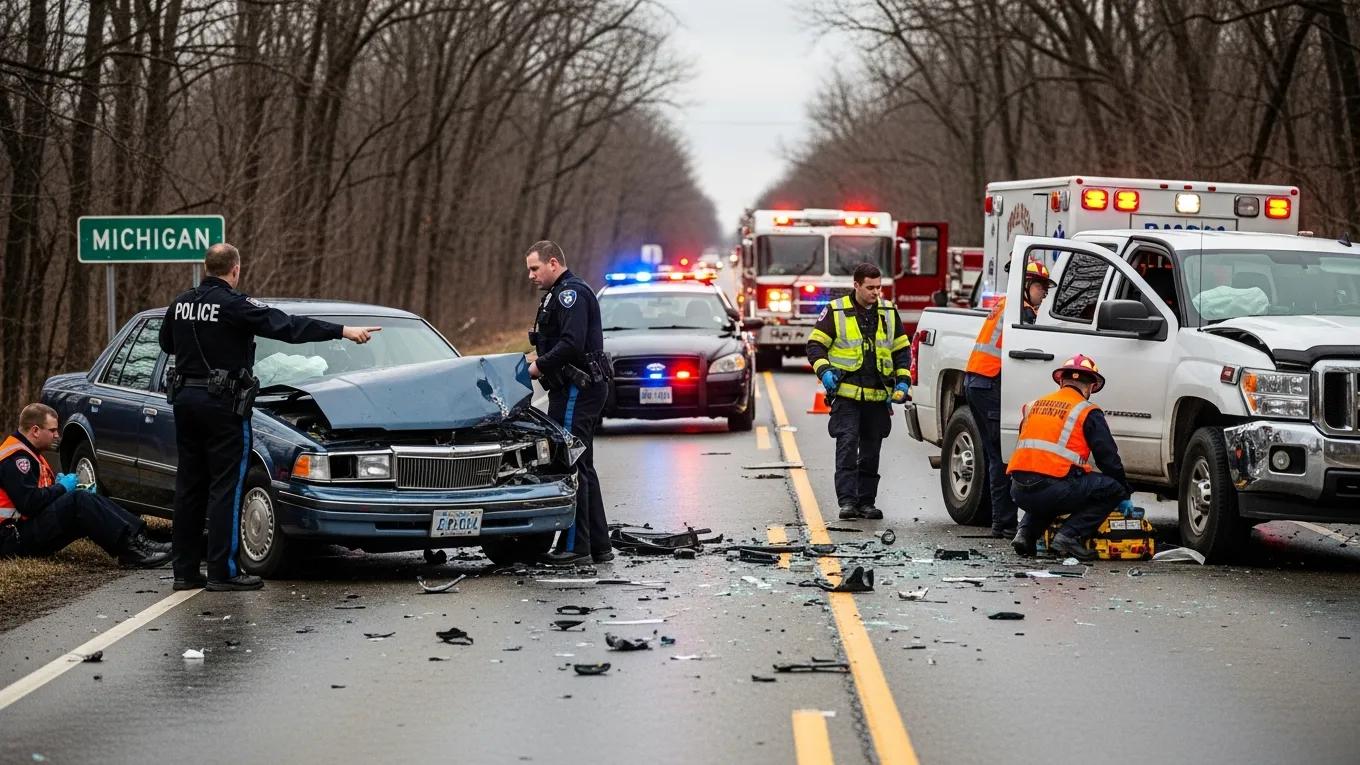
Police and ambulance responding to car crash on tree-lined road

Frequently asked Questions

Yes. After most auto accidents your own insurer pays Personal Injury Protection benefits regardless of who caused the crash. But that is only half the picture — when another driver was at fault and your injuries meet Michigan’s serious-impairment threshold

No-Fault PIP applications generally must be filed within one year of the accident, and you can only recover expenses incurred within one year before filing. Third-party claims against an at-fault driver typically carry a three-year statute of limitations. Because these deadlines differ and are strictly enforced, you should act quickly.

Michigan uses modified comparative negligence. You can still recover even if you were partially at fault, but your damages are reduced by your share of fault, and for pain-and-suffering damages you generally must be 50 percent or less at fault. Insurers routinely overstate a victim’s fault to reduce what they pay, which is one reason representation matters.

Be very cautious. Early offers are almost always below true value and are made before the full extent of your injuries is known. Once you accept and sign a release, you cannot reopen the claim even if you need surgery later. Have an attorney review any offer before you sign.

You may still recover through the uninsured or underinsured motorist coverage on your own policy, and possibly through other available coverage. We identify every layer of insurance that could apply so nothing is left unclaimed.

In Michigan, your No-Fault PIP coverage is generally responsible for accident-related medical expenses, subject to the coverage level you selected. We help ensure your providers are billing correctly and fight back when an insurer wrongly denies or delays payment.

Shopping Basket