
Ali Ajrouch & The Law Offices of Ali A. Ajrouch, PLLC
Injured in a slip, trip, or fall in Michigan?
Business Top Lawyers
Personal Injury • 2019
Super Lawyers
Rising Star 2018–2023
Super Lawyer 2024–2025
Licensed to Practice
Michigan & U.S. District Court
Frequent ICLE Speaker
No-Fault Law Seminars • 2018–Present
A Fall Isn’t Always an Accident. Sometimes It’s Negligence
A slip and fall can happen when property owners fail to keep their premises safe. Wet floors, uneven surfaces, poor lighting, and damaged stairs can create dangerous conditions that lead to serious injuries. These accidents may result in broken bones, back injuries, medical expenses, lost income, and long-term physical challenges.
At the Law Offices of Ali A. Ajrouch, PLLC, we help individuals injured in slip and fall accidents understand their legal rights and pursue fair compensation. Our team carefully reviews the circumstances of your accident, identifies potential negligence, and works to hold responsible parties accountable. We are committed to protecting your interests and helping you move forward with confidence.
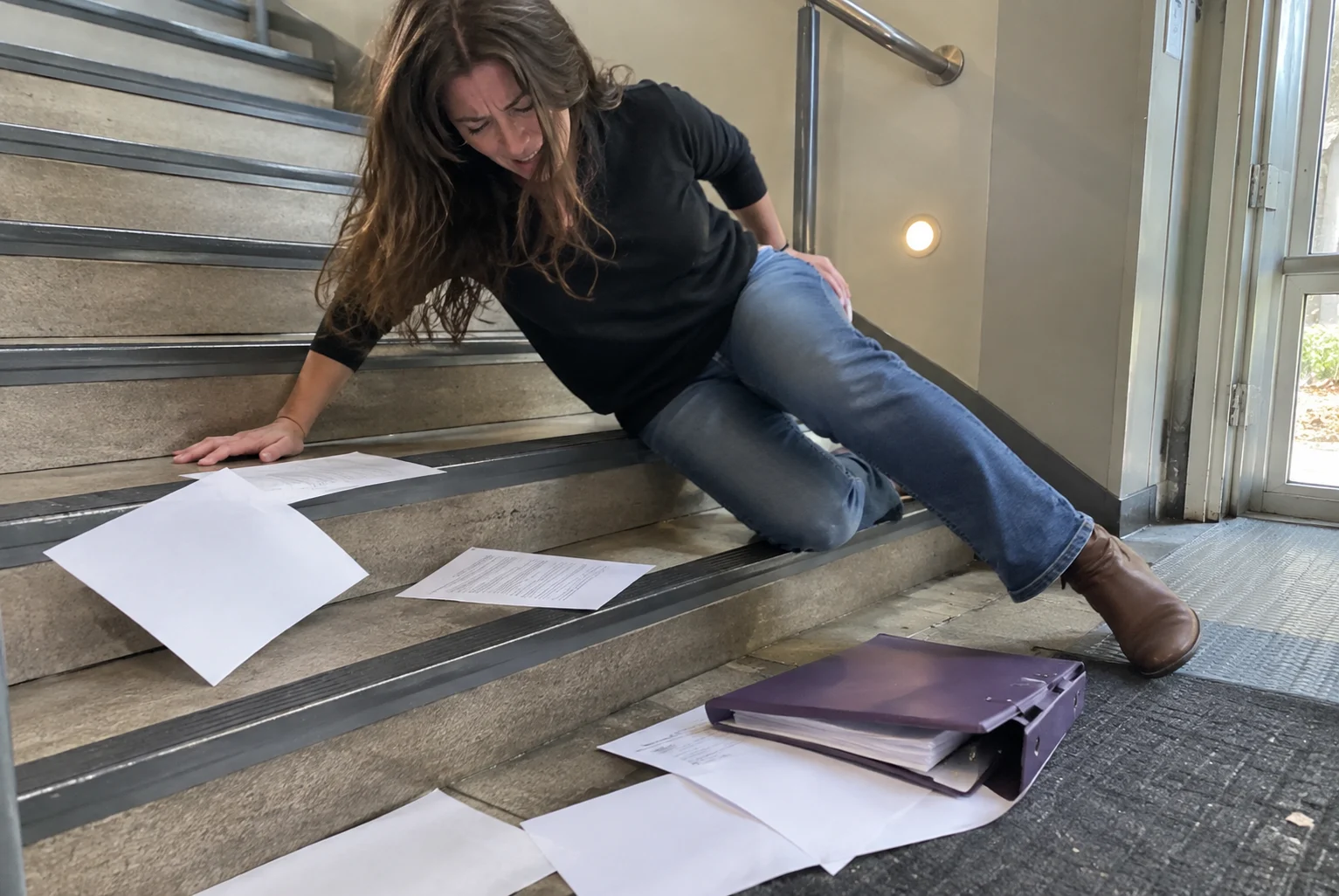
Types of Premises Liability Claims
Premises claims arise wherever a property owner fails to keep conditions reasonably safe: stores and restaurants, apartment buildings, parking lots and garages, offices, and icy or broken walkways. A claim against a private owner depends on showing the owner knew or should have known about the hazard and failed to fix it or warn about it. Falls on public sidewalks and roads follow different rules: Michigan’s governmental immunity law generally requires written notice to the responsible government agency within 120 days of the injury.
Slip and Fall
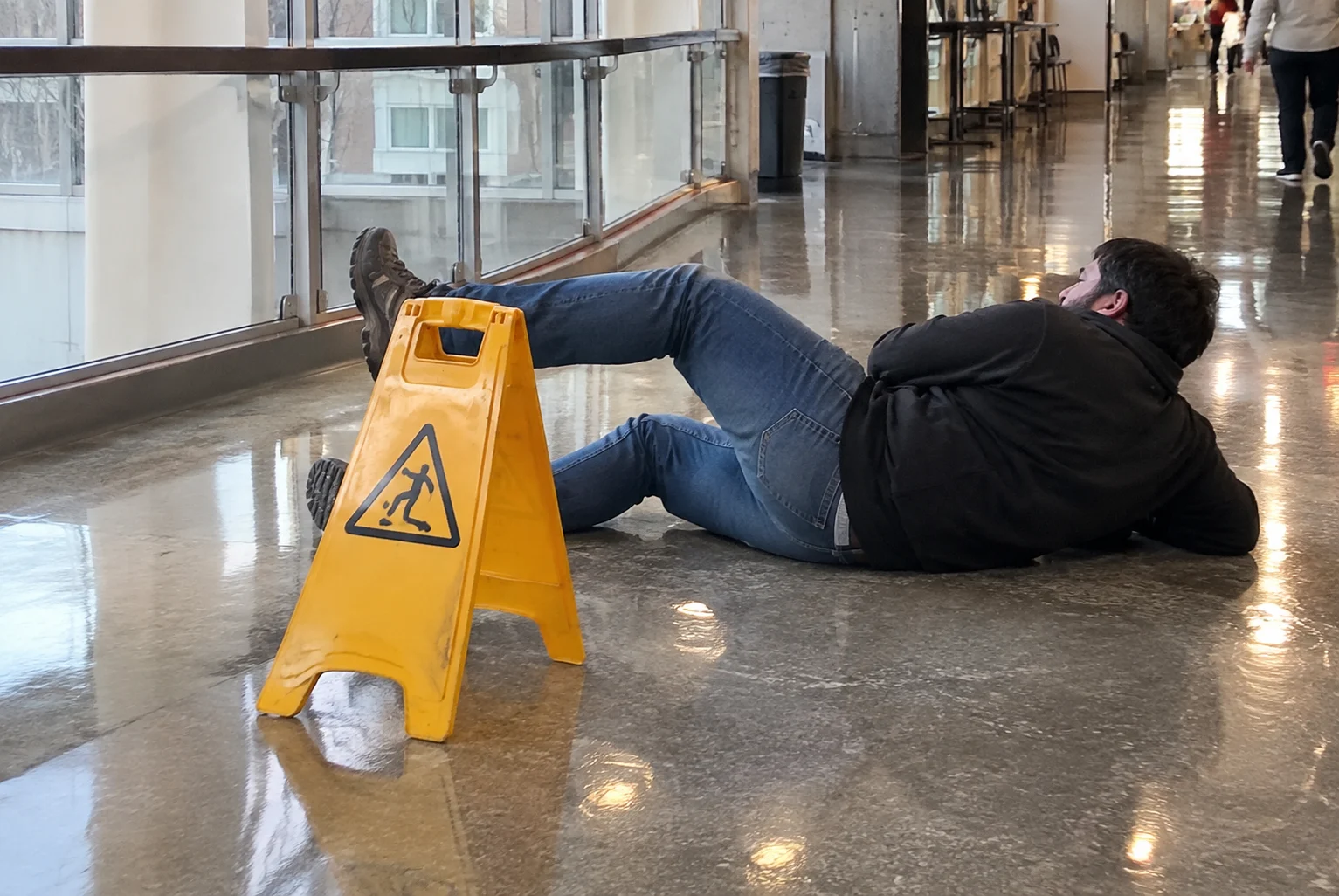
Wet or freshly mopped floors without warning signs, spills left unattended, ice and snow that was never cleared, and recently waxed or polished surfaces. These are the classic premises cases, and they happen most often in stores, restaurants, and building entrances.
Trip and Fall
Uneven or cracked pavement, torn or bunched carpeting, exposed cords and cables, cluttered walkways, broken or poorly lit stairs, and missing handrails. A trip hazard the owner should have noticed and corrected can cause serious injury, particularly to older adults.
Negligent Security
When inadequate lighting, broken locks, or absent security in a place where harm was foreseeable leads to an assault or injury, the property owner may share responsibility. These cases require proving that the harm was foreseeable and that reasonable security measures were lacking.
Property Owners Are Responsible for Safe Premises
To succeed, a premises liability claim generally must establish four things: that a dangerous condition existed on the property; that the owner created it or knew, or through reasonable care should have known, about it; that the owner failed to fix it or adequately warn of it; and that this failure caused your injury and resulting damages. The element that most often decides these cases is notice — proving the owner had enough time and reason to know about the hazard. That is why prompt investigation matters so much, and why surveillance footage and maintenance records, which can disappear quickly, are so valuable.
Protect Your Premises Liability Claim
Report it right away
Document the hazard before it is fixed
Identify witnesses
Seek medical attention promptly
Preserve what you were wearing and contact a lawyer
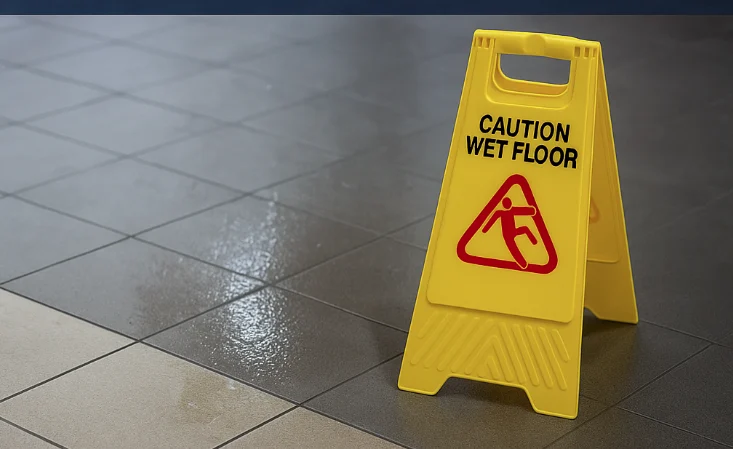
Critical Evidence Doesn't Last Forever
After a fall, property owners often clean spills, repair defects, or remove hazards within hours.
Some of the most important evidence may include:
- Surveillance video
- Maintenance logs
- Cleaning schedules
- Incident reports
- Witness statements
- Photographs of the hazard
Why Slip & Fall Cases Are Often Harder Than People Think
It’s Not Enough to Show That You Fell
Many people assume that if they were injured on someone else’s property, the owner is automatically responsible. Unfortunately, premises liability claims are rarely that simple.
In most cases, the injured person must prove not only that a dangerous condition existed, but also that the property owner knew about it, created it, or should have discovered it through reasonable inspection. Insurance companies understand this burden and often focus their defense on arguing that they had no notice of the hazard.
That is why evidence, timing, and investigation are often the difference between a successful claim and a denied one.
Frequently asked Questions
Can I sue if I slipped and fell on someone’s property?
Possibly. Property owners owe a duty to keep their premises reasonably safe. If a hazardous condition that the owner created, knew about, or should have known about caused your fall and injury, and they failed to fix it or warn you, you may have a valid premises liability claim. A free consultation will help you understand whether the facts support a case.
What is the “open and obvious” defense, and does it kill my case?
It is the argument that the hazard was something an average person would have noticed and avoided, so the owner had no duty to protect you from it. It does not automatically defeat a claim. Michigan law in this area has changed in recent years, and how the claim is framed and proven matters a great deal. We build cases specifically to overcome this defense where liability exists.
How long do I have to file a slip and fall claim in Michigan?
Premises liability claims generally carry a three-year statute of limitations from the date of injury. However, claims against a governmental entity, such as a city or public agency, often require formal written notice within a much shorter period, sometimes as little as a few months. Acting quickly protects your rights
What do I have to prove to win?
Generally, that a dangerous condition existed, that the owner created it or knew or should have known about it, that they failed to fix it or adequately warn of it, and that this failure caused your injury and damages. Proving the owner’s notice of the hazard is often the key, which is why early evidence preservation is so important.
The store says it wasn’t their fault. Does that end it?
No. Property owners and their insurers routinely deny responsibility as a matter of course. Their position is not the final word. An independent investigation of the maintenance records, surveillance footage, and circumstances often tells a very different story
What is my slip and fall case worth?
It depends on the severity and permanence of your injuries, your medical costs, any lost income, and how the injury affects your daily life. A minor sprain and a hip fracture that requires surgery are very different cases. We evaluate each claim individually and pursue its full value.