
The Law Offices of Ali A. Ajrouch, PLLC

(248) 598-7878

Fax (248) 599- 1245

Ali Ajrouch & The Law Offices of Ali A. Ajrouch, PLLC

Injured in a slip, trip, or fall in Michigan?

Ajrouch Law holds negligent property owners accountable and overcomes the open-and-obvious defense.

Business Top Lawyers

Personal Injury • 2019

Super Lawyers

Rising Star 2018–2023

Super Lawyer 2024–2025

Licensed to Practice

Michigan & U.S. District Court

Frequent ICLE Speaker

No-Fault Law Seminars • 2018–Present

A Fall Isn’t Always an Accident. Sometimes It’s Negligence.

The fine printed on the ticket is almost never the real cost. The lasting consequences to your driving record, your insurance premiums, and in the case of misdemeanors, your criminal record are what actually matter, and they are exactly what most people overlook when they simply mail in the payment.


The Law Offices of Ali A. Ajrouch, PLLC defends drivers across Michigan against traffic violations and misdemeanor charges. We work to reduce or dismiss charges, keep points off your record, and protect you from the long-term consequences that affect your wallet and your future. A case review is free, and for most matters we offer clear, flat-fee pricing so you know the cost upfront.

Types of Premises Liability Claims

Ajrouch Law works to reduce charges, keep points off your record, and protect your license.

01

Slip and Fall

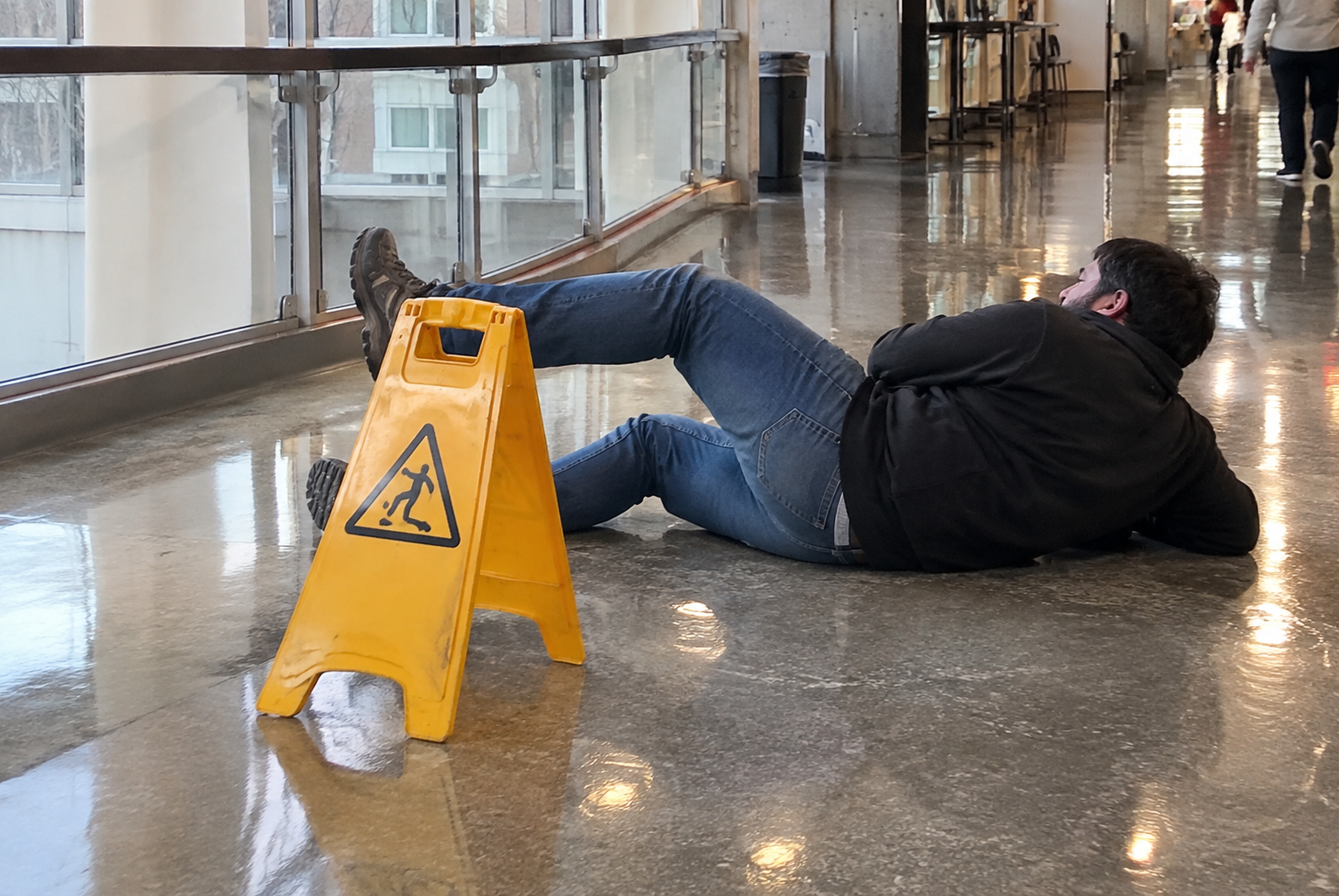
Wet or freshly mopped floors without warning signs, spills left unattended, ice and snow that was never cleared, and recently waxed or polished surfaces. These are the classic premises cases, and they happen most often in stores, restaurants, and building entrances.

02

Trip and Fall

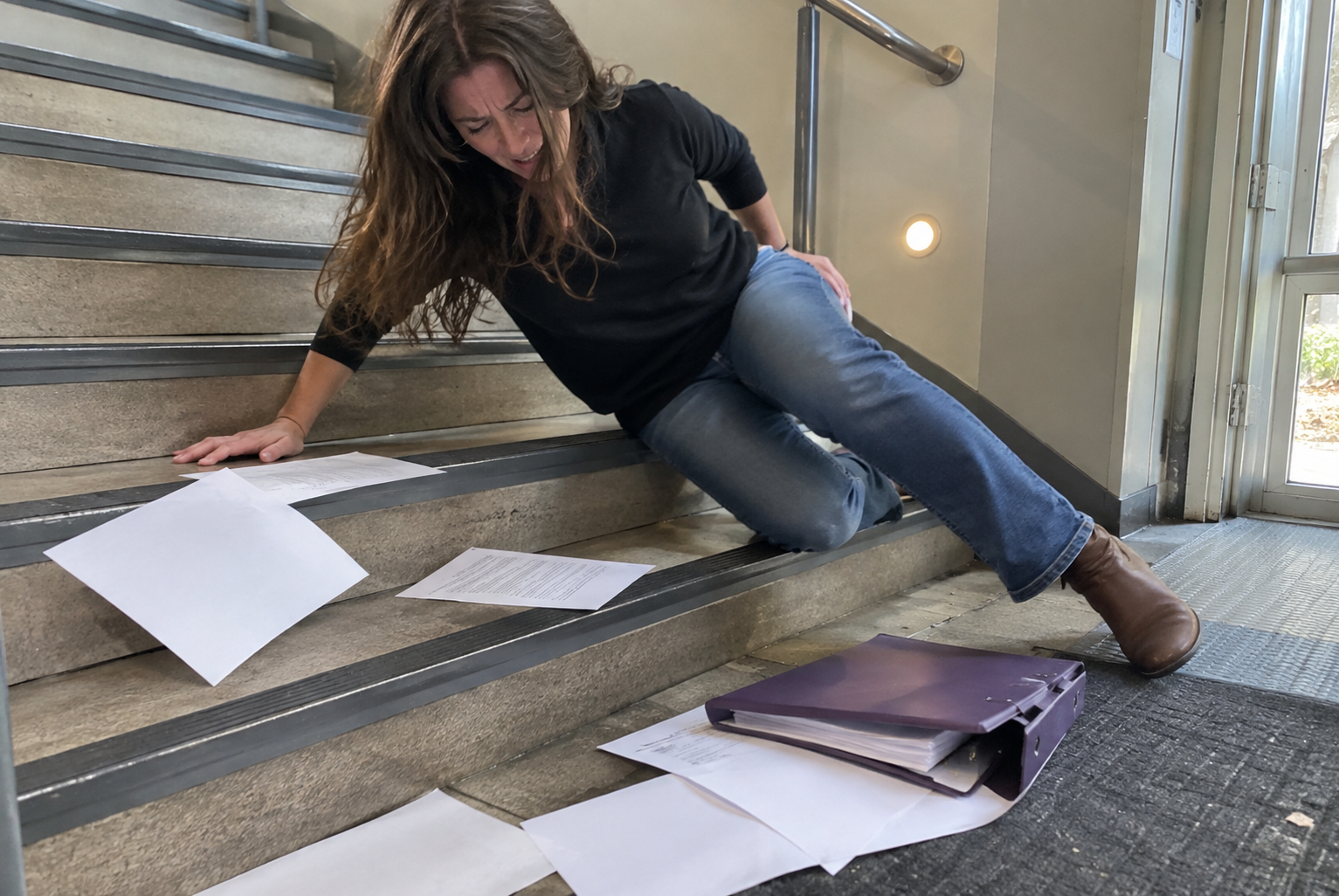
Uneven or cracked pavement, torn or bunched carpeting, exposed cords and cables, cluttered walkways, broken or poorly lit stairs, and missing handrails. A trip hazard the owner should have noticed and corrected can cause serious injury, particularly to older adults.

03

Negligent Security

When inadequate lighting, broken locks, or absent security in a place where harm was foreseeable leads to an assault or injury, the property owner may share responsibility. These cases require proving that the harm was foreseeable and that reasonable security measures were lacking.

Property Owners Are Responsible for Safe Premises

Businesses, landlords, and property owners in Michigan owe a duty to maintain reasonably safe conditions for the people they invite onto their property, and to warn of hazards they know about or should have discovered through reasonable inspection. The exact level of duty depends in part on why you were there a paying customer is owed a higher duty than a trespasser but for the everyday situations most people encounter, shopping, dining, visiting an apartment, the owner’s obligation is substantial.

To succeed, a premises liability claim generally must establish four things: that a dangerous condition existed on the property; that the owner created it or knew, or through reasonable care should have known, about it; that the owner failed to fix it or adequately warn of it; and that this failure caused your injury and resulting damages. The element that most often decides these cases is notice — proving the owner had enough time and reason to know about the hazard. That is why prompt investigation matters so much, and why surveillance footage and maintenance records, which can disappear quickly, are so valuable.

Protect Your Premises Liability Claim

Report it right away.

Document the hazard before it is fixed.

Identify witnesses.

Seek medical attention promptly.

Preserve what you were wearing and contact a lawyer.

Yellow wet floor caution sign on tiled indoor flooring

Critical Evidence Doesn't Last Forever

After a fall, property owners often clean spills, repair defects, or remove hazards within hours.

Some of the most important evidence may include:

Why Slip & Fall Cases Are Often Harder Than People Think

It’s Not Enough to Show That You Fell

Many people assume that if they were injured on someone else’s property, the owner is automatically responsible. Unfortunately, premises liability claims are rarely that simple.

In most cases, the injured person must prove not only that a dangerous condition existed, but also that the property owner knew about it, created it, or should have discovered it through reasonable inspection. Insurance companies understand this burden and often focus their defense on arguing that they had no notice of the hazard.

That is why evidence, timing, and investigation are often the difference between a successful claim and a denied one.

Frequently asked Questions

Possibly. Property owners owe a duty to keep their premises reasonably safe. If a hazardous condition that the owner created, knew about, or should have known about caused your fall and injury, and they failed to fix it or warn you, you may have a valid premises liability claim. A free consultation will help you understand whether the facts support a case.

It is the argument that the hazard was something an average person would have noticed and avoided, so the owner had no duty to protect you from it. It does not automatically defeat a claim. Michigan law in this area has changed in recent years, and how the claim is framed and proven matters a great deal. We build cases specifically to overcome this defense where liability exists.

Premises liability claims generally carry a three-year statute of limitations from the date of injury. However, claims against a governmental entity, such as a city or public agency, often require formal written notice within a much shorter period, sometimes as little as a few months. Acting quickly protects your rights

Generally, that a dangerous condition existed, that the owner created it or knew or should have known about it, that they failed to fix it or adequately warn of it, and that this failure caused your injury and damages. Proving the owner’s notice of the hazard is often the key, which is why early evidence preservation is so important.

No. Property owners and their insurers routinely deny responsibility as a matter of course. Their position is not the final word. An independent investigation of the maintenance records, surveillance footage, and circumstances often tells a very different story

It depends on the severity and permanence of your injuries, your medical costs, any lost income, and how the injury affects your daily life. A minor sprain and a hip fracture that requires surgery are very different cases. We evaluate each claim individually and pursue its full value.

Shopping Basket