A T-bone crash can leave little room for error. Because the side of a vehicle provides less protection than the front or rear, these collisions can lead to serious injuries and major questions about who had the right of way. We help injured people understand that the strongest claim often starts with evidence gathered before it disappears.
In Genesee County, intersection crashes can involve conflicting stories about lights, signs, turns, speed, and visibility. While the police report matters, it is only one piece of a much larger picture.
Start with the Scene and the Intersection
The police report is often the first record created after a crash. It may list the drivers, passengers, witnesses, traffic citations, vehicle damage, road conditions, and the responding officer’s early observations. Although a report does not automatically settle fault, we often use it as a starting point for a closer investigation.
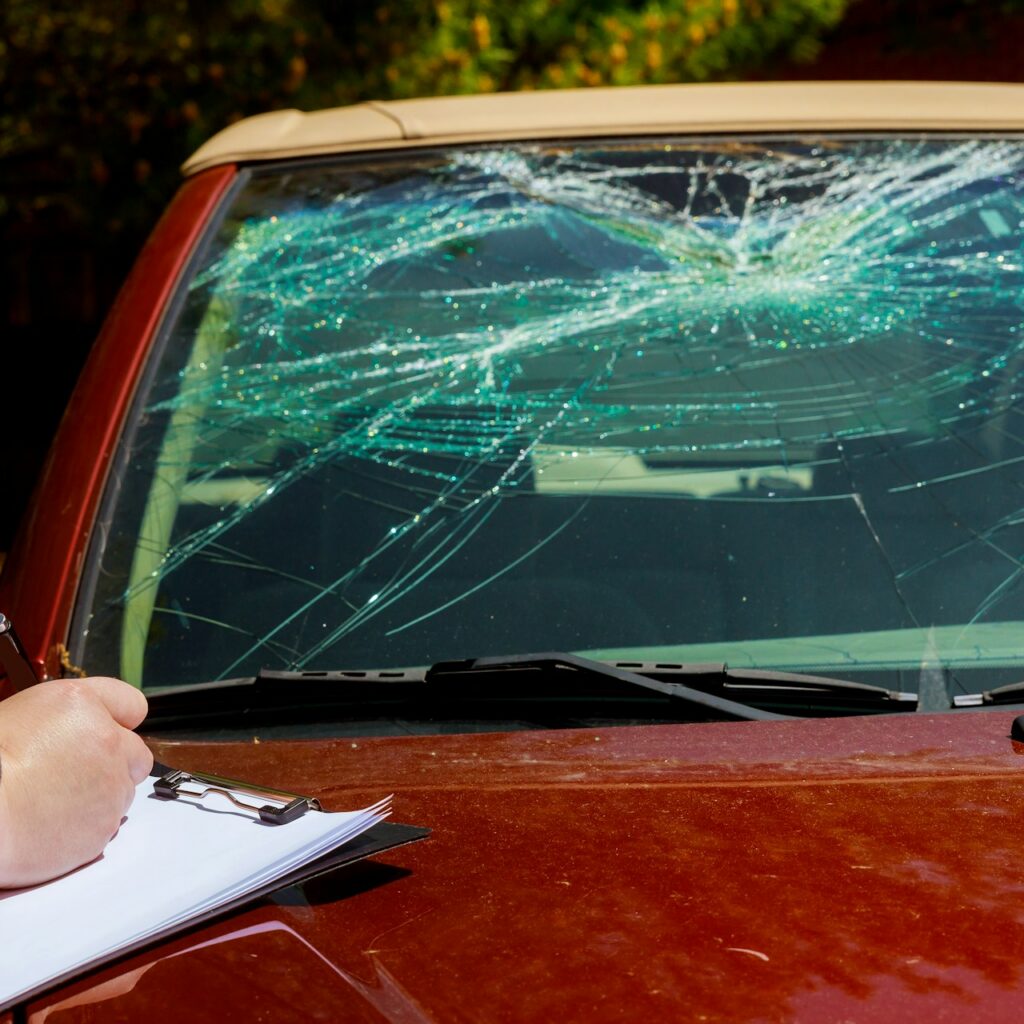
Photos and videos can preserve details that look different just hours later. Vehicles get moved, debris is cleared, weather changes, and skid marks may fade. If images are available, they may help show:
- Where each vehicle came to rest
- Damage to the front, side, or rear of each vehicle
- Broken glass, debris, tire marks, and damaged property
- Lane markings, stop signs, yield signs, and traffic signals
- Obstructions that may have blocked a driver’s view
Intersection details matter in nearly every T-bone case. One driver may say they had a green light, while the other says the same thing. A left turn, a side-street entrance, a missing sign, poor sight lines, wet pavement, or a confusing lane layout can all become part of the question. As a car accident lawyer in Genesee County, we can review whether the physical setting supports or contradicts the accounts given after the crash.
Secure Digital Records Before They Disappear
A nearby camera may have captured more than the impact itself. Footage from businesses, homes, parking lots, public buildings, or traffic cameras may show the moments before the collision. That can be especially helpful when drivers disagree about a red light, a stop sign, or whether someone entered the intersection too quickly.
Many video systems record over old footage automatically. For that reason, prompt preservation efforts can matter. We may seek to identify cameras near the intersection and send appropriate notices asking that relevant recordings be kept.
Modern vehicles and phones can also hold useful information. Depending on the circumstances, records may show facts such as:
- Vehicle speed, braking, steering, or acceleration before impact
- Airbag deployment and seat belt information
- Calls, texts, app activity, or other phone use near the time of the crash
- Navigation or location data that helps establish a vehicle’s path
This type of evidence should be pursued through proper legal channels. It is not something an injured person should try to obtain alone, especially when insurers and other parties may already be gathering information that favors their version of events.
Witnesses are another form of evidence that can fade quickly. An independent person who saw the light change or watched a driver fail to yield may offer a clear view of what happened. We recommend keeping names, phone numbers, and any available written statements while the memory is still fresh.
Connect Your Injuries and Losses to the Crash
Evidence of fault is only part of an injury claim. Medical records help show what the collision did to your body and daily life. A timely medical evaluation, follow-up care, testing, prescriptions, therapy, and recommendations from your medical providers can help document the nature of your injuries and the care you may need.
Consistency matters because insurers may look for gaps in treatment or statements that suggest an injury was minor. We understand that recovery can be difficult, especially when pain, transportation issues, work demands, or family duties get in the way. Still, keeping clear records can make it easier to explain how the crash affected you.
Financial records are also important. Save copies of medical bills, insurance explanations of benefits, medication receipts, mileage to appointments, assistive device costs, and other out-of-pocket expenses. Pay stubs, tax documents, and employer information may help show missed work, lost income, or changes in your ability to earn a living.
Not every loss comes with a receipt. Serious injuries may affect sleep, mobility, independence, family responsibilities, and the activities that once made life feel normal. A personal journal can help record pain levels, missed events, treatment limits, and changes in your day-to-day routine. Compensation depends on the facts of the collision, the injuries involved, available coverage, and applicable Michigan law.
Keep Insurers From Controlling the Story
Insurance adjusters may ask for a recorded statement, broad medical authorization, or quick settlement before you have had time to understand the full effect of your injuries. A person in pain may accidentally minimize symptoms, guess about fault, or agree with an adjuster’s wording without realizing how those statements may later be used.
Before making decisions about an early offer or recorded statement, it can help to understand what evidence is available and what questions remain unanswered. We can compare the report, witness accounts, video, vehicle damage, medical records, and other materials to develop a fuller account of the crash.
Insurers may also argue that an injured driver shared fault. They may point to alleged speeding, distraction, failure to yield, or a claimed opportunity to avoid the collision. Strong, timely evidence can help address those claims. A car accident lawyer in Genesee County can also investigate whether another driver, vehicle owner, business, or other party may be connected to the crash and whether additional insurance coverage exists.
Take Prompt Steps to Preserve What Matters
After a T-bone crash, do not assume the police report tells the whole story. Preserve available photographs, obtain witness information, keep medical and financial records, and recognize that video and digital data may not remain available for long. Clear evidence can turn competing accounts of an intersection collision into a better-supported explanation of what happened.
Early action does not mean rushing to conclusions. It means protecting the records that may explain fault, show the seriousness of your injuries, and document the losses the crash caused.
Get Clear Guidance for Your Next Steps
At Ajrouch Law, we can review what happened and help you understand the options available after a collision. Speak with a car accident lawyer in Genesee County who can assess the details of your claim and the losses you are facing. When you are ready to discuss your case, contact us for a consultation with our team.