Fatal Auto and Truck Crashes
Collisions caused by speeding, distracted, impaired, or reckless drivers, as well as crashes involving commercial trucks, can result in wrongful death claims under Michigan law.
Ali Ajrouch & The Law Offices of Ali A. Ajrouch, PLLC
Lost a loved one to negligence in Michigan? Ajrouch Law handles wrongful death claims with compassion and resolve. Free, private consultation. No fee unless we win.
Personal Injury • 2019
Rising Star 2018–2023
Super Lawyer 2024–2025
Michigan & U.S. District Court
No-Fault Law Seminars • 2018–Present
There is no preparing for the loss of someone you love, and there are no words that make it lighter. When that loss is the result of another person’s or company’s negligence, the grief is compounded by anger, by unanswered questions, and often by sudden financial pressure that arrives at the worst possible moment. Funeral costs, lost income, and medical bills from a loved one’s final care fall on a family already struggling to absorb the unthinkable.
A wrongful death claim cannot undo what happened, and we would never suggest otherwise. What it can do is two things that matter. It can hold the responsible party accountable, which many families find is an essential part of being able to move forward. And it can provide the financial security your loved one would have wanted for the people they left behind. Pursuing that claim should never add to your burden, which is why we handle every part of the process ourselves and treat each family with the care and respect this moment demands.
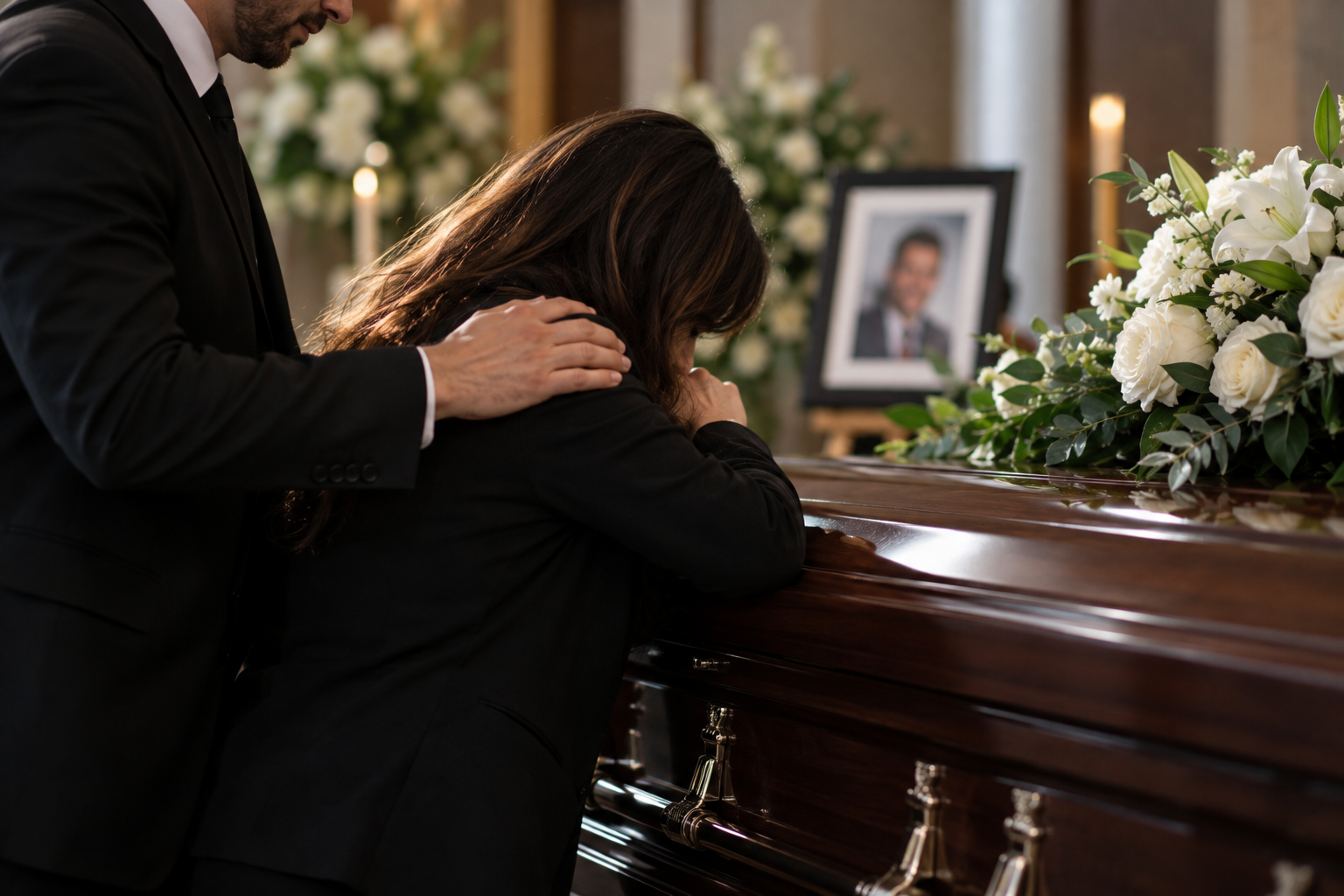
A wrongful death claim can arise from nearly any situation where someone’s negligence or wrongful act causes a death that otherwise would not have occurred. The most common circumstances we handle include the following.
Collisions caused by speeding, distracted, impaired, or reckless drivers, as well as crashes involving commercial trucks, can result in wrongful death claims under Michigan law.
Preventable deaths caused by misdiagnosis, surgical errors, medication mistakes, or failures to treat serious conditions may support a wrongful death claim involving medical negligence.
Fatal falls, drowning incidents, unsafe property conditions, and other preventable hazards may create liability when a property owner failed to maintain reasonably safe premises.
Unsafe consumer products, defective vehicle components, dangerous machinery, and failed safety equipment may lead to liability when they contribute to a fatal injury.
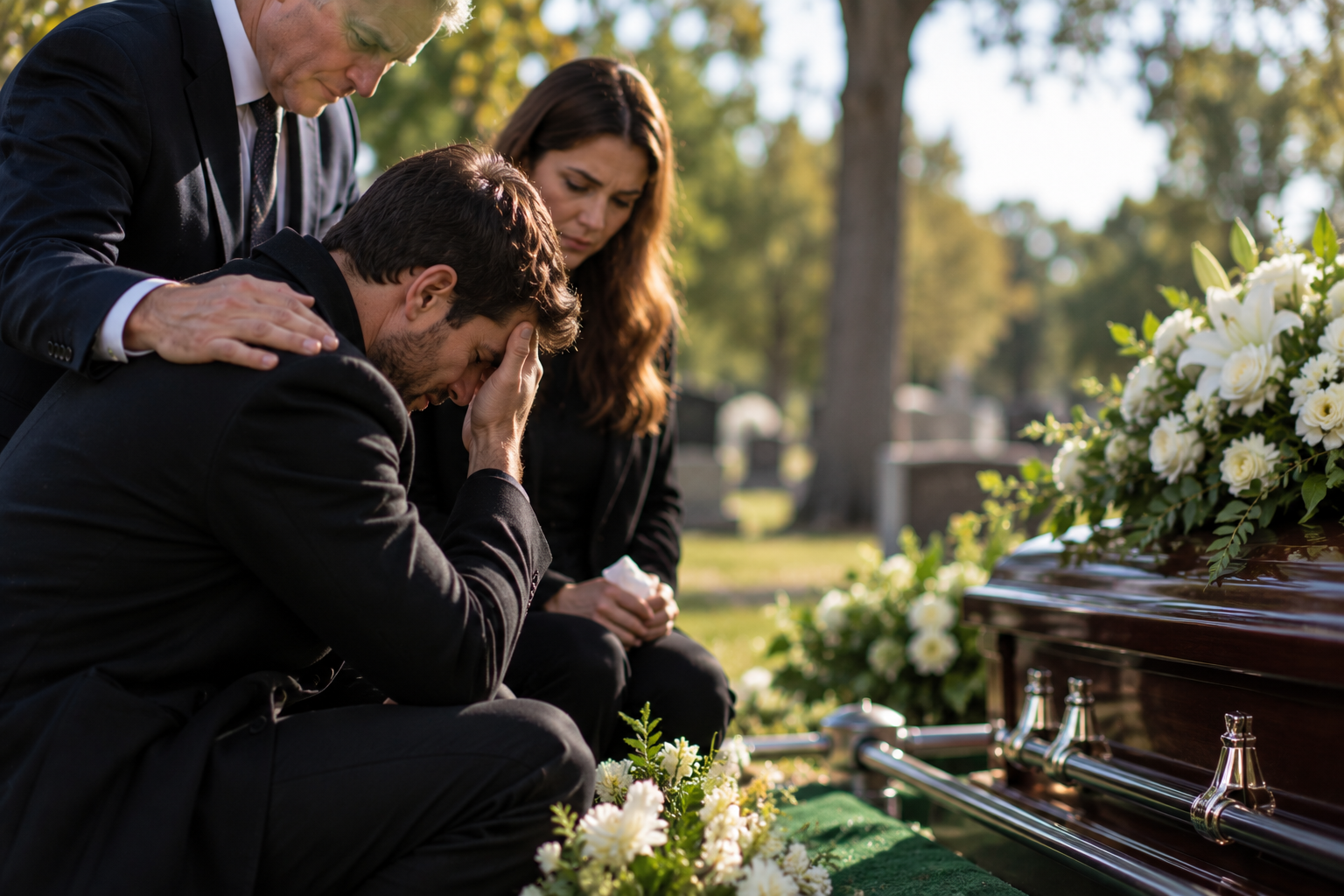
A wrongful death affects every part of a family’s life.
While financial losses matter, Michigan law also recognizes the personal losses surviving family members experience every day.
Those losses may include:
A wrongful death may occur when someone dies because of another person’s or organization’s negligence, carelessness, or wrongful conduct. Common examples can involve car accidents, truck accidents, workplace incidents, defective products, and other preventable events.
Eligibility depends on the laws of the state where the claim is filed. Certain surviving family members or a representative of the deceased person’s estate may have the right to pursue compensation. A wrongful death lawyer can review the circumstances and explain who may be eligible to bring a claim.
Depending on applicable law and the facts of the case, compensation may include funeral and burial expenses, medical costs related to the fatal injury, lost income and financial support, loss of companionship, and other qualifying damages.
Wrongful death claims are subject to a statute of limitations, and the deadline varies by jurisdiction and circumstances. Because missing the applicable deadline can affect your ability to pursue a claim, it is important to obtain legal advice as early as possible.
A wrongful death lawyer can investigate the incident, preserve and gather evidence, identify potentially responsible parties, communicate with insurance companies, calculate claimed damages, negotiate a settlement, and pursue litigation when appropriate.
A wrongful death claim based on negligence generally requires evidence establishing a legal duty, a breach of that duty, causation, and resulting damages. Evidence may include accident reports, medical records, photographs, witness statements, expert analysis, and other documentation.